<?xml version="1.0" encoding="UTF-8"?>
<rss version="2.0"
	xmlns:content="http://purl.org/rss/1.0/modules/content/"
	xmlns:wfw="http://wellformedweb.org/CommentAPI/"
	xmlns:dc="http://purl.org/dc/elements/1.1/"
	xmlns:atom="http://www.w3.org/2005/Atom"
	xmlns:sy="http://purl.org/rss/1.0/modules/syndication/"
	xmlns:slash="http://purl.org/rss/1.0/modules/slash/"
	>

<channel>
	<title>House Inspection Group</title>
	<atom:link href="http://www.houseinspectiongroup.com/?feed=rss2" rel="self" type="application/rss+xml" />
	<link>http://www.houseinspectiongroup.com</link>
	<description>Book Your Appointment Today</description>
	<lastBuildDate>Tue, 22 Feb 2011 16:27:32 +0000</lastBuildDate>
	<language>en</language>
	<sy:updatePeriod>hourly</sy:updatePeriod>
	<sy:updateFrequency>1</sy:updateFrequency>
	<generator>http://wordpress.org/?v=3.0.4</generator>
		<item>
		<title>What is a Home Inspection?</title>
		<link>http://www.houseinspectiongroup.com/?p=76</link>
		<comments>http://www.houseinspectiongroup.com/?p=76#comments</comments>
		<pubDate>Tue, 22 Feb 2011 16:14:19 +0000</pubDate>
		<dc:creator>admin</dc:creator>
				<category><![CDATA[featured]]></category>

		<guid isPermaLink="false">http://marketmechanics.com/houseinspectiongroup/?p=76</guid>
		<description><![CDATA[A home inspection is intented to assist the buyer in the evaluation of the overall condition of the dwelling. The inspection is preformed in sections starting from the exterior which include: 1. Roof &#38; Drainage system, Exterior finish, Foundation Walls, Windows, Doors, Attached Structures and Grading 2. Basement/Foundation Walls, Structure, Electrical, Heating/Cooling &#38; Plumbing systems [...]]]></description>
			<content:encoded><![CDATA[<p>A home inspection is intented to assist the buyer in the evaluation of the overall condition of the dwelling.<br />
The inspection is preformed in sections starting from the exterior which include:</p>
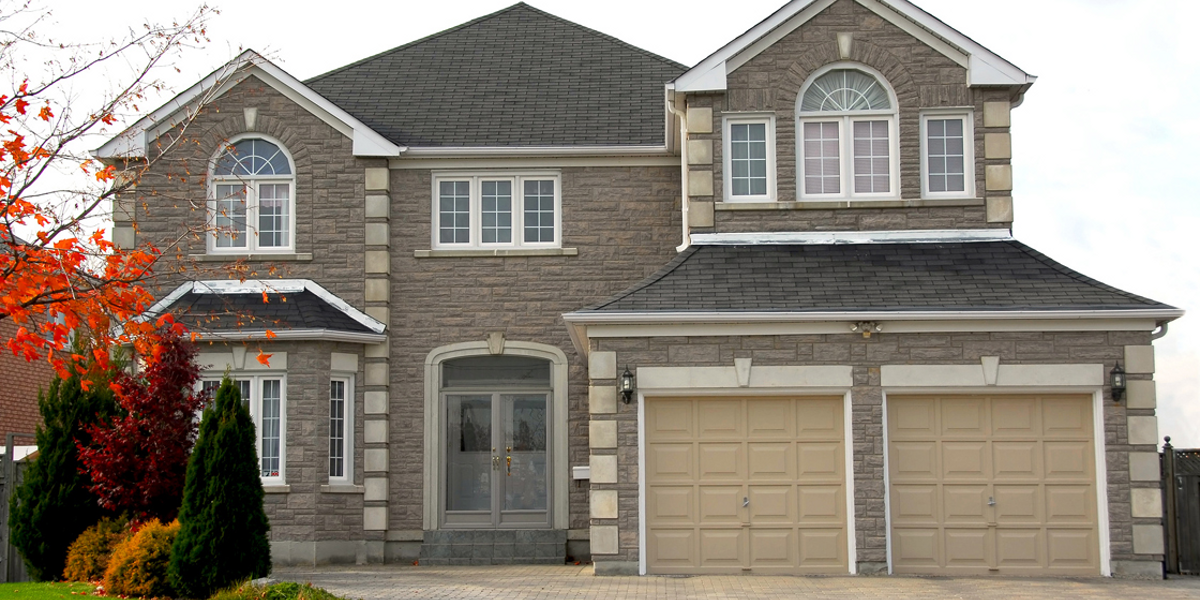
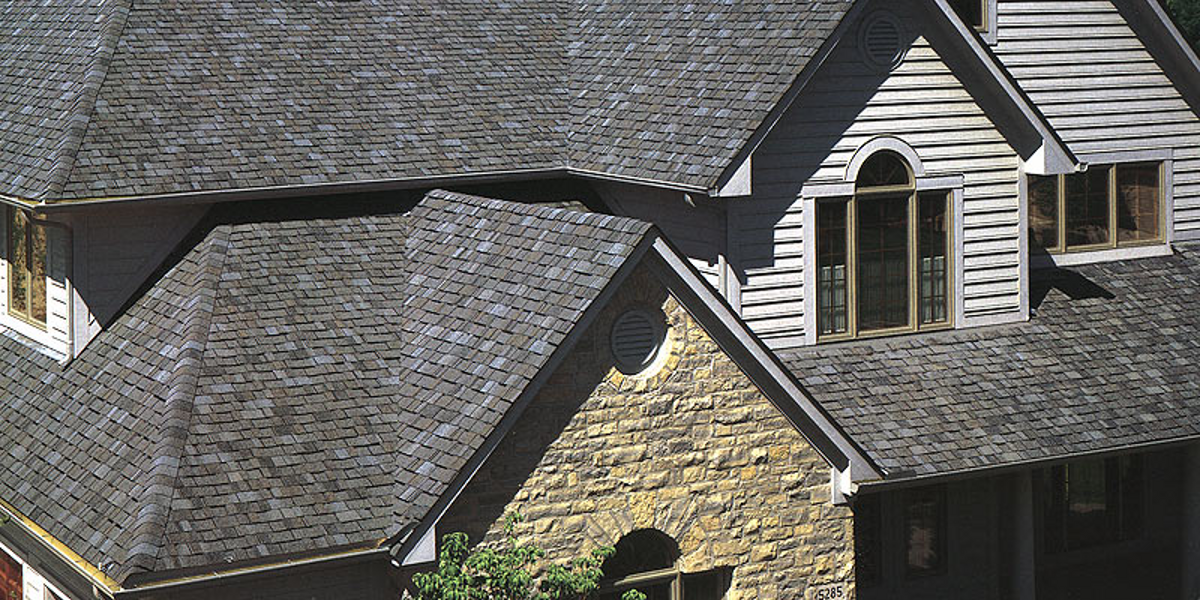
<p>1. Roof &amp; Drainage system, Exterior finish, Foundation Walls, Windows, Doors, Attached Structures and Grading<br />
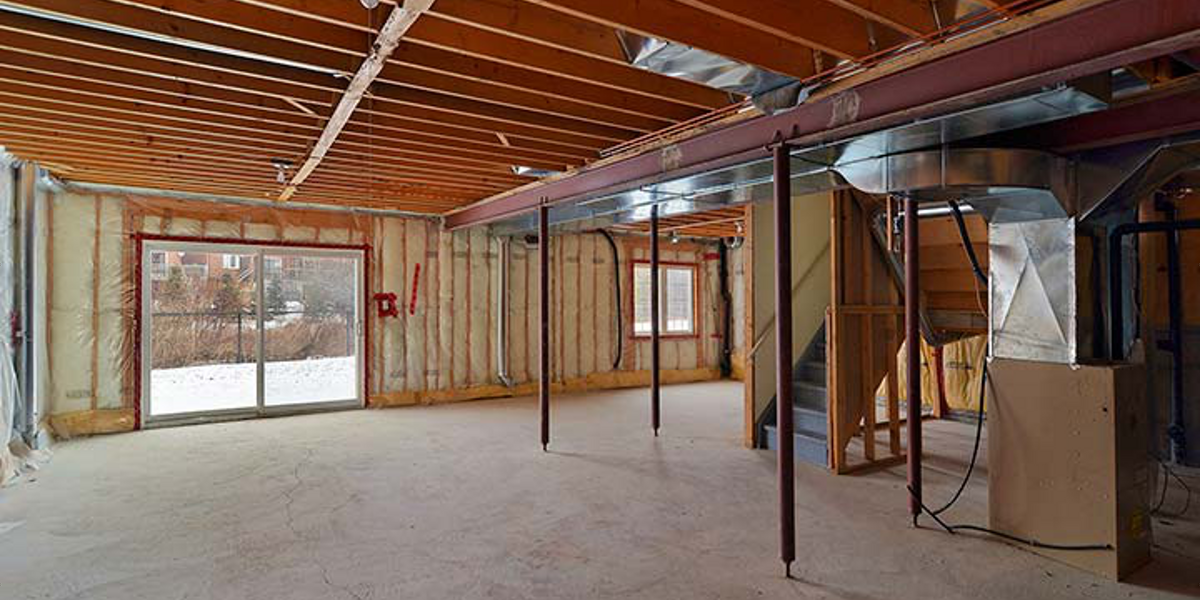
2. Basement/Foundation Walls, Structure, Electrical, Heating/Cooling &amp; Plumbing systems<br />
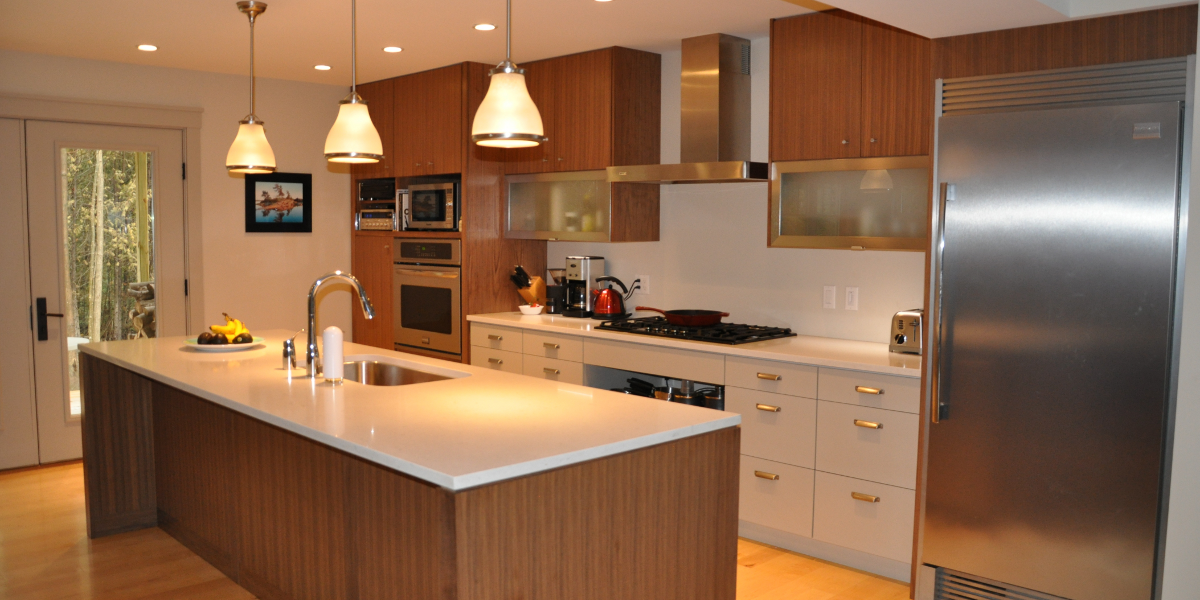
3. Kitchen, Bath rooms, Laundry, Garage and Noting Safety Devices: Smoke/fire/carbone monoxide detectors<br />
4. Walls, Ceilings, Floors, Windows and Doors<br />
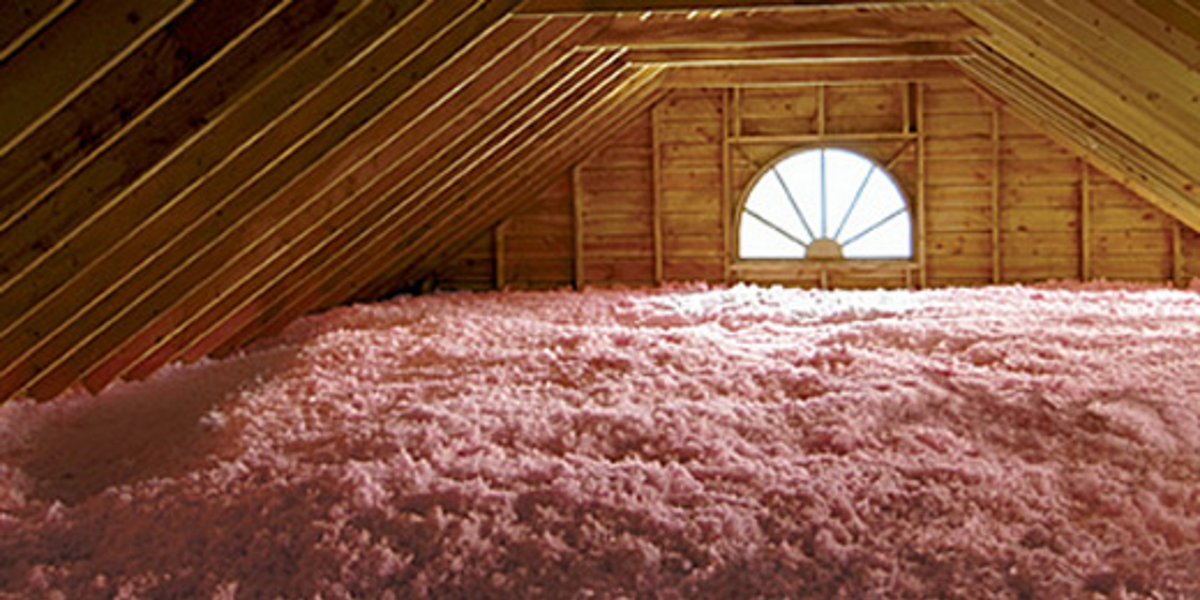
5. Attic structure, Ventelation &amp; Insulation<br />
Most home inspections take about 3 hours.</p>
]]></content:encoded>
			<wfw:commentRss>http://www.houseinspectiongroup.com/?feed=rss2&#038;p=76</wfw:commentRss>
		<slash:comments>0</slash:comments>
		</item>
		<item>
		<title>InterNACHI Standards of Practice</title>
		<link>http://www.houseinspectiongroup.com/?p=47</link>
		<comments>http://www.houseinspectiongroup.com/?p=47#comments</comments>
		<pubDate>Tue, 15 Feb 2011 20:23:30 +0000</pubDate>
		<dc:creator>admin</dc:creator>
				<category><![CDATA[Uncategorized]]></category>

		<guid isPermaLink="false">http://marketmechanics.com/houseinspectiongroup/?p=47</guid>
		<description><![CDATA[Last revised 01/10/08 Table of Contents 1. Definitions and Scope. 2. Standards of Practice 2.1. Roof 2.2. Exterior 2.3. Basement, Foundation, Crawlspace &#038; Structure 2.4. Heating 2.5. Cooling 2.6. Plumbing 2.7. Electrical 2.8. Fireplace 2.9. Attic &#038; Insulation 2.10. Doors, Windows &#038; Interior 3. Limitations, Exceptions &#038; Exclusions 4. Glossary of Terms 1. Definitions and [...]]]></description>
			<content:encoded><![CDATA[<p>Last revised 01/10/08</p>
<p>Table of Contents</p>
<p>1. Definitions and Scope.</p>
<p>2. Standards of Practice</p>
<p>2.1. Roof<br />
2.2. Exterior<br />
2.3. Basement, Foundation, Crawlspace &#038; Structure<br />
2.4. Heating<br />
2.5. Cooling<br />
2.6. Plumbing<br />
2.7. Electrical<br />
2.8. Fireplace<br />
2.9. Attic &#038; Insulation<br />
2.10. Doors, Windows &#038; Interior</p>
<p>3. Limitations, Exceptions &#038; Exclusions</p>
<p>4. Glossary of Terms</p>
<p>1. Definitions and Scope</p>
<p>1.1. A Home inspection is a non-invasive visual examination of a residential dwelling, performed for a fee, which is designed to identify observed material defects within specific components of said dwelling.　 Components may include any combination of mechanical, structural, electrical, plumbing, or other essential systems or portions of the home, as identified and agreed to by the Client and Inspector, prior to　the inspection process.</p>
<p>I. A home inspection is intended to assist in evaluation of the overall condition of the dwelling. The inspection is based on observation of the visible and apparent condition of the structure and its components on the date of the inspection and not the　prediction of future conditions.</p>
<p>II. A home inspection will not reveal every　concern that exists or ever could exist, but only those material defects observed on the day of the inspection.</p>
<p>1.2. A Material defect is a　condition with a residential real property or any portion of it that would have a significant adverse impact on the value of the real property or that involves an unreasonable risk to people on the property. The fact that a structural element, system or subsystem is near, at or beyond the end of the normal useful life of such a structural element, system or subsystem is not by itself a material defect.</p>
<p>1.3. An Inspection report shall describe and identify in written format the inspected systems, structures, and components of the dwelling and shall identify material defects observed. Inspection reports may contain recommendations regarding conditions reported or recommendations for correction, monitoring or further evaluation by professionals, but this is not required.</p>
<p>2. Standards of Practice</p>
<p>2.1. Roof</p>
<p>I. The inspector shall inspect from ground level or eaves:</p>
<p>A. The roof covering.</p>
<p>B. The gutters.</p>
<p>C. The downspouts.</p>
<p>D. The vents, flashings, skylights, chimney and other roof penetrations.</p>
<p>E. The general structure of the roof from the readily accessible panels, doors or stairs.</p>
<p>II. The inspector is not required to:</p>
<p>A. Walk on any roof surface.</p>
<p>B. Predict the service life expectancy.</p>
<p>C. Inspect underground downspout diverter drainage pipes.</p>
<p>D. Remove snow, ice, debris or other conditions that prohibit the observation of the roof surfaces.</p>
<p>E. Inspect antennae, lightning arresters, or similar attachments.</p>
<p>2.2. Exterior</p>
<p>I. The inspector shall inspect:</p>
<p>A. The siding, flashing and trim.</p>
<p>B. All exterior doors, decks, stoops, steps, stairs, porches, railings, eaves, soffits and fascias.</p>
<p>C. And report as in need of repair any spacings between intermediate balusters, spindles, or rails for steps, stairways, balconies, and railings that permit the passage of an object greater than four inches in diameter.</p>
<p>D. A representative number of windows.</p>
<p>E. The vegetation, surface drainage and retaining walls when these are likely to adversely affect the structure.</p>
<p>F. And describe the exterior wall covering.</p>
<p>II. The inspector is not required to:</p>
<p>A. Inspect or operate screens, storm windows, shutters, awnings, fences, outbuildings, or exterior accent lighting.</p>
<p>B. Inspect items, including window and door flashings, which are not visible or readily accessible from the ground.</p>
<p>C. Inspect geological, geotechnical, hydrological and/or soil conditions.</p>
<p>D. Inspect recreational facilities.</p>
<p>E. Inspect seawalls, break-walls and docks.</p>
<p>F. Inspect erosion control and earth stabilization measures.</p>
<p>G. Inspect for safety type glass.</p>
<p>H. Inspect underground utilities.</p>
<p>I. Inspect underground items.</p>
<p>J. Inspect wells or springs.</p>
<p>K. Inspect solar systems.</p>
<p>L. Inspect swimming pools or spas.</p>
<p>M. Inspect septic systems or cesspools.</p>
<p>N. Inspect playground equipment.</p>
<p>O. Inspect sprinkler systems.</p>
<p>P. Inspect drain fields or drywells.</p>
<p>Q. Determine the integrity of the thermal window seals or damaged glass.</p>
<p>2.3. Basement, Foundation &#038; Crawlspace</p>
<p>I. The inspector shall inspect:</p>
<p>A. The basement.</p>
<p>B. The foundation</p>
<p>C. The crawlspace.</p>
<p>D. The visible structural components.</p>
<p>E. Any present conditions or clear　indications of active water penetration observed by the inspector.</p>
<p>F. And report any general indications of foundation movement that are observed by the inspector, such as but not limited to sheetrock cracks, brick cracks, out-of-square door frames or floor slopes.</p>
<p>II. The inspector is not required to:</p>
<p>A. Enter any crawlspaces that are not readily accessible or where entry could cause damage or pose a hazard to the inspector.</p>
<p>B. Move stored items or debris.</p>
<p>C. Operate sump pumps with inaccessible floats.</p>
<p>D. Identify size, spacing, span, location or determine adequacy of foundation bolting, bracing, joists, joist spans　or support systems.</p>
<p>E. Provide any engineering or architectural service.</p>
<p>F. Report on the adequacy of any structural system or component.</p>
<p>2.4. Heating</p>
<p>I. The inspector shall inspect:</p>
<p>A. The heating systems　using normal operating controls and describe the energy source and heating method.</p>
<p>B. And report as in need of repair　heating systems　which do not operate.</p>
<p>C. And report if inspector deemed the　heating systems　inaccessible</p>
<p>II. The inspector is not required to:</p>
<p>A. Inspect or evaluate interiors of flues or chimneys, fire chambers,　heat exchangers,　humidifiers, dehumidifiers, electronic air filters, solar heating systems or fuel tanks.</p>
<p>B. Inspect underground fuel tanks.</p>
<p>C. Determine the uniformity, temperature, flow, balance, distribution, size, capacity, BTU, or supply adequacy of the heating system.</p>
<p>D. Light or ignite　pilot flames.</p>
<p>E. Activate heating, heat pump systems, or other heating systems when ambient temperatures or when other circumstances are not conducive to safe operation or may damage the equipment.</p>
<p>F. Override electronic thermostats.</p>
<p>G. Evaluate fuel quality.</p>
<p>H.　Verify thermostat calibration, heat anticipation or automatic setbacks, timers, programs　or clocks.</p>
<p>2.5. Cooling</p>
<p>I. The inspector shall inspect:</p>
<p>A. The central cooling equipment using normal operating controls.</p>
<p>II. The inspector is not required to:</p>
<p>A. Determine the uniformity, temperature, flow, balance, distribution, size, capacity, BTU, or supply adequacy of the cooling system.</p>
<p>B. Inspect window units, through-wall units, or electronic air filters.</p>
<p>C. Operate equipment or systems if exterior temperature is below 60 degrees Fahrenheit or when other circumstances are not conducive to safe operation or may damage the equipment.</p>
<p>D. Inspect or determine thermostat calibration, heat anticipation or automatic setbacks or clocks.</p>
<p>E. Examine electrical current, coolant fluids or gases, or coolant leakage.</p>
<p>2.6. Plumbing</p>
<p>I. The inspector shall:</p>
<p>A. Verify the presence of and identify the location of the main water shutoff valve.</p>
<p>B. Inspect the　water heating equipment, including combustion air, venting, connections, energy sources, seismic bracing, and verify the presence or absence of temperature-pressure relief valves and/or Watts 210 valves.</p>
<p>C. Flush toilets.</p>
<p>D. Run water in sinks, tubs, and showers.</p>
<p>E. Inspect the interior water supply including all fixtures and faucets.</p>
<p>F. Inspect the drain, waste and vent systems, including all fixtures.</p>
<p>G. Describe any visible fuel storage systems.</p>
<p>H. Inspect the drainage sump pumps testing sumps with accessible floats.</p>
<p>I. Inspect and describe the water supply, drain, waste and main fuel shut-off valves, as well as the location of the water main and main fuel shut-off valves.</p>
<p>J. Inspect and determine if the water supply is public or private.</p>
<p>K. Inspect and report as in need of repair deficiencies in the water supply by viewing the functional flow in two fixtures operated simultaneously.</p>
<p>L. Inspect and report as in need of repair deficiencies in installation and identification of hot and cold faucets.</p>
<p>M. Inspect and report as in need of repair mechanical drain-stops that are missing or do not operate if installed in sinks, lavatories and tubs.</p>
<p>N. Inspect and report as in need of repair commodes that have cracks in the ceramic material, are improperly mounted on the floor, leak, or have tank components which do not operate.</p>
<p>II. The inspector is not required to:</p>
<p>A. Light or ignite pilot flames.</p>
<p>B. Determine the size, temperature, age, life expectancy or adequacy of the water heater.</p>
<p>C. Inspect interiors of flues or chimneys, water softening or filtering systems, well pumps or tanks, safety or shut-of valves, floor drains, lawn sprinkler systems　or fire sprinkler systems.</p>
<p>D. Determine the exact flow rate, volume, pressure, temperature, or adequacy of the water supply.</p>
<p>E. Determine the water quality or potability or the reliability of the water supply or source.</p>
<p>F. Open sealed plumbing access panels.</p>
<p>G. Inspect clothes washing machines or their　connections.</p>
<p>H. Operate any main, branch or fixture valve.</p>
<p>I. Test shower pans, tub and shower surrounds or enclosures for leakage.</p>
<p>J. Evaluate the compliance with local or state conservation or energy standards, or the proper design or sizing of any water, waste or venting components, fixtures or piping.</p>
<p>K. Determine the effectiveness of anti-siphon, back-flow prevention or drain-stop devices.</p>
<p>L. Determine whether there are sufficient clean-outs for effective cleaning of drains.</p>
<p>M. Evaluate gas, liquid propane or oil storage tanks.</p>
<p>N. Inspect any private sewage waste disposal system or component of.</p>
<p>O. Inspect water treatment systems or water filters.</p>
<p>P. Inspect water storage tanks, pressure pumps or bladder tanks.</p>
<p>Q. Evaluate time to obtain hot water at fixtures, or perform testing of any kind to water heater elements.</p>
<p>R. Evaluate or determine the adequacy of combustion air.</p>
<p>S. Test, operate, open or close safety controls, manual stop valves　and/or temperature or pressure relief valves.</p>
<p>T. Examine ancillary systems or components, such as, but not limited to, those relating to solar water heating, hot water circulation.</p>
<p>U. Determine the existence or condition of polybutylene plumbing.</p>
<p>2.7. Electrical</p>
<p>I. The inspector shall inspect:</p>
<p>A. The service drop/lateral.</p>
<p>B. The meter socket enclosures.</p>
<p>C. The service main disconnecting means.</p>
<p>D. And determine the rating of the service amperage.</p>
<p>E. Panelboards and overcurrent devices (breakers and fuses).</p>
<p>F. The service grounding and bonding.</p>
<p>H. A representative number of switches, receptacles, lighting fixtures, AFCI receptacles.</p>
<p>I. And test all GFCI receptacles and GFCI circuit breakers observed and deemed to be GFCI&#8217;s during the inspection.</p>
<p>I. And report the presence of solid conductor aluminum branch circuit wiring if readily visible.</p>
<p>J. And report on any GFCI-tested receptacles in which power　was not present, polarity is incorrect, the receptacle is not grounded, is not secured to the wall, the cover is not in place, the ground fault circuit interrupter devices are not properly installed or do not operate properly, or evidence of arcing or excessive heat is present.</p>
<p>K. The service entrance conductors and the condition of the conductor insulation.</p>
<p>L. The ground fault circuit interrupters observed and deemed to be GFCI&#8217;s during the inspection with a GFCI tester.</p>
<p>M. And describe the amperage rating of the service.</p>
<p>N. And report the absence of smoke detectors.</p>
<p>O. Service entrance cables and report as in need of repair deficiencies in the integrity of the insulation, drip loop, or separation of conductors at weatherheads and clearances from grade or rooftops.</p>
<p>II. The inspector is not required to:</p>
<p>A. Insert any tool, probe or device into the main panelboard, sub-panels, distribution panelboards, or electrical fixtures.</p>
<p>B. Operate electrical systems that are shut down.</p>
<p>C. Remove panelboard cabinet covers or dead front covers if they are not readily accessible.</p>
<p>D. Operate overcurrent protection devices.</p>
<p>E. Operate non-accessible smoke detectors.</p>
<p>F. Measure or determine the amperage or voltage of the main service equipment　if not visibly labeled. G. Inspect the fire or alarm system and components.</p>
<p>H. Inspect the ancillary wiring or remote control devices.</p>
<p>I. Activate any electrical systems or branch circuits which are not energized.</p>
<p>J. Operate or reset overload devices.</p>
<p>K. Inspect low voltage systems, electrical de-icing tapes, swimming pool wiring or any time-controlled devices.</p>
<p>L. Verify the service ground.</p>
<p>M. Inspect private or emergency electrical supply sources, including but not limited to generators, windmills, photovoltaic solar collectors, or battery or electrical storage facility.</p>
<p>N. Inspect spark or lightning arrestors.</p>
<p>O. Conduct voltage drop calculations.</p>
<p>P. Determine the accuracy of labeling.</p>
<p>2.8. Fireplace</p>
<p>I. The inspector shall inspect:</p>
<p>A. The fireplace, and open and close the damper door if readily accessible and operable.</p>
<p>B. Hearth extensions and other permanently installed components.</p>
<p>C. And report as in need of repair deficiencies in the lintel, hearth and material surrounding the fireplace, including clearance from combustible materials</p>
<p>II. The inspector is not required to:</p>
<p>A. Inspect the flue or vent system.</p>
<p>B. Inspect the interior of　chimneys or flues, fire doors or screens, seals or gaskets,　or mantels.</p>
<p>C. Determine the need for a chimney sweep.</p>
<p>D. Operate gas fireplace inserts.</p>
<p>E. Light pilot flames.</p>
<p>F. Determine the appropriateness of such installation.</p>
<p>G. Inspect automatic fuel feed devices.</p>
<p>H. Inspect combustion and/or make-up air　devices.</p>
<p>I. Inspect heat distribution assists whether gravity controlled or fan assisted.</p>
<p>J. Ignite or extinguish fires.</p>
<p>K. Determine draft characteristics.</p>
<p>L. Move fireplace inserts, stoves, or firebox contents.</p>
<p>M. Determine adequacy of draft, perform a smoke test or dismantle or remove any component.</p>
<p>N. Perform an NFPA inspection.</p>
<p>2.9. Attic, Ventilation &#038; Insulation</p>
<p>I. The inspector shall inspect:</p>
<p>A. The insulation in unfinished spaces.</p>
<p>B. The ventilation of attic spaces.</p>
<p>C. Mechanical ventilation systems.</p>
<p>D. And report on the general absence or lack of insulation.</p>
<p>II. The inspector is not required to:</p>
<p>A. Enter the attic or unfinished spaces that are not readily accessible or where entry could cause damage or pose a safety hazard to the inspector in his or her opinion.</p>
<p>B. To move, touch, or disturb　insulation.</p>
<p>C. To move, touch or disturb vapor retarders.</p>
<p>D. Break or otherwise damage the surface finish or weather seal on or around access panels and covers.</p>
<p>E. Identify the composition of or the exact R-value of insulation material.</p>
<p>F. Activate thermostatically operated fans.</p>
<p>G. Determine the types of materials used in insulation/wrapping of pipes, ducts, jackets, boilers, and wiring.</p>
<p>H.　Determine adequacy of ventilation.</p>
<p>2.10. Doors, Windows &#038; Interior</p>
<p>I. The inspector shall:</p>
<p>A. Open and close a representative number of doors and windows.</p>
<p>B. Inspect the walls, ceilings, steps, stairways, and railings.</p>
<p>C. And report as in need of repair any spacings between intermediate balusters, spindles, or rails for steps, stairways, and railings that permit the passage of an object greater than four inches in diameter.</p>
<p>D. Inspect garage doors and garage door openers by operating first by　remote (if available)　and then by the installed automatic door control.</p>
<p>E. And report as in need of repair any installed electronic sensors that are not operable or not installed at proper heights above the garage door.</p>
<p>F. And report as in need of repair any door locks or side ropes that have not been removed or disabled when garage door opener is in use.</p>
<p>G. And report as in need of repair any windows that are obviously fogged or display other evidence of broken seals.</p>
<p>II. The inspector is not required to:</p>
<p>A. Inspect paint, wallpaper, window treatments or finish treatments.</p>
<p>B. Inspect central vacuum systems.</p>
<p>C. Inspect safety glazing.</p>
<p>D. Inspect security systems or　components.</p>
<p>E. Evaluate the fastening of countertops, cabinets, sink tops and fixtures, or firewall compromises.</p>
<p>F. Move furniture, stored items, or any coverings like carpets or rugs in order to inspect the concealed floor structure.</p>
<p>G. Move drop ceiling tiles.</p>
<p>H. Inspect or move any household appliances..</p>
<p>I. Inspect or operate equipment housed in the garage except as otherwise noted.</p>
<p>J. Verify or certify safe operation of any auto reverse or related safety function of a garage door.</p>
<p>K. Operate or evaluate security bar release and opening mechanisms, whether interior or exterior, including compliance with local, state, or federal standards.</p>
<p>L. Operate any system, appliance or component that requires the use of special keys, codes, combinations, or devices.</p>
<p>M. Operate or evaluate self-cleaning oven cycles, tilt guards/latches or signal lights.</p>
<p>N. Inspect microwave ovens or test leakage from microwave ovens.</p>
<p>O. Operate or examine any sauna, steam-jenny, kiln, toaster, ice-maker, coffee-maker, can-opener, bread-warmer, blender, instant hot water dispenser, or other small, ancillary devices.</p>
<p>P. Inspect elevators.</p>
<p>Q. Inspect remote controls.</p>
<p>R. Inspect appliances.</p>
<p>S. Inspect items not permanently installed.</p>
<p>T. Examine or operate any above-ground, movable, freestanding, or otherwise non-permanently installed pool/spa, recreational equipment　or self-contained equipment.</p>
<p>U. Come into contact with any pool or spa water in order to determine the system structure or components.</p>
<p>V. Determine the adequacy of spa jet water force or bubble effect.</p>
<p>W. Determine the structural integrity or leakage of a pool or spa.</p>
<p>3. Limitations, Exceptions &#038; Exclusions</p>
<p>3.1. Limitations:</p>
<p>I. An inspection is not technically exhaustive.</p>
<p>II. An inspection will not identify concealed or latent defects.</p>
<p>III. An inspection will not deal with aesthetic concerns or what could be deemed matters of taste, cosmetic, etc.</p>
<p>IV. An inspection will not determine the suitability of the property for any use.</p>
<p>V. An inspection does not determine the market value of the property or its marketability.</p>
<p>VI. An inspection does not determine the insurability of the property.</p>
<p>VI. An inspection does not determine the advisability or inadvisability of the purchase of the inspected property.</p>
<p>VIII. An inspection does not determine the life expectancy of the property or any components or systems therein.</p>
<p>IX. An inspection does not include items not permanently installed.</p>
<p>X. These Standards of Practice apply only to homes with four or fewer dwelling units.</p>
<p>3.2. Exclusions:</p>
<p>I. The inspectors are not required to determine:</p>
<p>A. Property boundary lines or encroachments.</p>
<p>B. The condition of any component or system that is not readily accessible.</p>
<p>C. The service life expectancy of any component or system.</p>
<p>D. The size, capacity, BTU, performance, or efficiency of any component or system.</p>
<p>E. The cause or reason of any condition.</p>
<p>F. The cause for the need of repair or replacement of any system or component.</p>
<p>G. Future conditions.</p>
<p>H. The compliance with codes or regulations.</p>
<p>I. The presence of　evidence of rodents, animals or insects.</p>
<p>J. The presence of mold, mildew or fungus.</p>
<p>K. The presence of air-borne hazards.</p>
<p>L. The presence of birds.</p>
<p>M. The presence of other flora or fauna.</p>
<p>N. The air quality.</p>
<p>O. The existence of asbestos.</p>
<p>P. The existence of environmental hazards.</p>
<p>Q. The existence of electro-magnetic fields.</p>
<p>R. The presence of hazardous materials including, but not limited to, the presence of lead in paint.</p>
<p>S. Any hazardous waste conditions.</p>
<p>T. Any manufacturer recalls or conformance with manufacturer installation or any information included in the consumer protection bulletin.</p>
<p>U. Operating costs of systems.</p>
<p>V. Replacement or repair cost estimates.</p>
<p>W. The acoustical properties of any systems.</p>
<p>X. Estimates of how much it will cost to run any given system.</p>
<p>II. The inspectors are not required to operate:</p>
<p>A. Any system that is shut down.</p>
<p>B. Any system that does not function properly.</p>
<p>C. Or evaluate low voltage electrical systems such as, but not limited to:</p>
<p>1. Phone lines.</p>
<p>2. Cable lines.</p>
<p>3. Antennae.</p>
<p>4. Lights.</p>
<p>5. Remote controls.</p>
<p>D. Any system that does not turn on with the use of normal operating controls.</p>
<p>E. Any shut off valves or manual stop valves.</p>
<p>F. Any electrical disconnect or over current protection devices.</p>
<p>G. Any alarm systems.</p>
<p>H. Moisture meters, gas detectors or similar equipment.</p>
<p>III. The inspectors are not required to:</p>
<p>A. Move any personal items or other obstructions, such as, but not limited to:</p>
<p>1. Throw rugs.</p>
<p>2. Furniture.</p>
<p>3. Floor or wall coverings.</p>
<p>4. Ceiling tiles</p>
<p>5. Window coverings.</p>
<p>6. Equipment.</p>
<p>7. Plants.</p>
<p>8. Ice.</p>
<p>9. Debris.</p>
<p>10. Snow.</p>
<p>11. Water.</p>
<p>12. Dirt.</p>
<p>13. Foliage.</p>
<p>14. Pets</p>
<p>B. Dismantle, open, or uncover any system or component.</p>
<p>C. Enter or access any area which may, in the opinion of the inspector, to be unsafe or　risk personal safety.</p>
<p>D. Enter crawlspaces or other areas that are unsafe or not readily accessible.</p>
<p>E. Inspect underground items such as, but not limited to, underground storage tanks or other indications of their presence, whether abandoned or actively used.</p>
<p>F. Do anything which, in the inspector&#8217;s opinion, is likely to be unsafe or dangerous to the inspector or others or damage property, such as, but not limited to, walking on roof surfaces, climbing ladders, entering attic spaces or negotiating with dogs.</p>
<p>G. Inspect decorative items.</p>
<p>H. Inspect common elements or areas in multi-unit housing.</p>
<p>I. Inspect intercoms, speaker systems, radio-controlled, security devices or lawn irrigation systems.</p>
<p>J. Offer guarantees or warranties.</p>
<p>K. Offer or perform any engineering services.</p>
<p>L. Offer or perform any trade or professional service other than home inspection.</p>
<p>M. Research the history of the property, report on its potential for alteration, modification, extendibility, or its suitability for a specific or proposed use for occupancy.</p>
<p>N. Determine the age of construction or installation of any system structure, or component of a building, or differentiate between original construction or subsequent additions, improvements, renovations or replacements thereto.</p>
<p>O. Determine the insurability of a property.</p>
<p>P.　Perform or offer Phase 1 environmental audits.</p>
<p>Q.　Inspect on any system or component which is not included in these standards.</p>
<p>4. Glossary of Terms</p>
<p>4.1. Accessible: Can be approached or entered by the inspector safely, without difficulty, fear or danger.</p>
<p>4.2. Activate: To turn on, supply power, or enable systems, equipment, or devices to become active by normal operating controls. Examples include turning on the gas or water supply valves to the fixtures and appliances and activating electrical breakers or fuses.</p>
<p>4.3. Adversely Affect: Constitute, or potentially constitute, a negative or destructive impact.</p>
<p>4.4. Alarm System: Warning devices, installed or free-standing, including but not limited to: Carbon monoxide detectors, flue gas and other spillage detectors, security equipment, ejector pumps and smoke alarms.</p>
<p>4.5. Appliance: A household device operated by use of electricity or gas. Not included in this definition are components covered under central heating, central cooling or plumbing.</p>
<p>4.6. Architectural Service: Any practice involving the art and science of building design for construction of any structure or grouping of structures and the use of space within and surrounding the structures or the design, design development, preparation of construction contract documents, and administration of the construction contract.</p>
<p>4.7. Component: A permanently installed or attached fixture, element or part of a system.</p>
<p>4.8. Condition: The visible and conspicuous state of being of an object.</p>
<p>4.9. Crawlspace: The area within the confines of the foundation and between the ground and the underside of the lowest floor structural component.</p>
<p>4.10. Decorative: Ornamental; not required for the operation of essential systems and components of a home.</p>
<p>4.11. Describe: Report in writing a system or component by its type, or other observed characteristics, to distinguish it from other components used for the same purpose.</p>
<p>4.12. Determine: To arrive at an opinion or conclusion pursuant to examination.</p>
<p>4.13. Dismantle: To open, take apart or remove any component, device or piece that would not typically be opened, taken apart or removed by an ordinary occupant.</p>
<p>4.14. Engineering Service: Any professional service or creative work requiring engineering education, training, and experience and the application of special knowledge of the mathematical, physical and engineering sciences to such professional service or creative work as consultation, investigation, evaluation, planning, design and supervision of construction for the purpose of assuring compliance with the specifications and design, in conjunction with structures, buildings, machines, equipment, works or processes.</p>
<p>4.15. Enter: To go into an area to observe　visible components.</p>
<p>4.16. Evaluate: To assess the systems, structures or components of a dwelling.</p>
<p>4.17. Examine: To visually look. See Inspect.</p>
<p>4.18. Foundation: The base upon which the structure or wall rests; usually masonry, concrete, or stone, and generally partially underground.</p>
<p>4.19. Function: The action for which an item, component, or system is specially fitted or used or for which an item, component or system exists; to be in action or perform a task.</p>
<p>4.20. Functional: Performing, or able to perform, a function.</p>
<p>4.21. Home Inspection: The process by which an inspector visually examines the readily accessible systems and components of a home and operates those systems and components utilizing these Standards of Practice as a guideline.</p>
<p>4.22. Household Appliances: Kitchen and laundry appliances, room air conditioners, and similar appliances.</p>
<p>4.23. Inspect: To visually look at readily accessible systems and components safely, using normal operating controls and accessing readily accessible panels and areas in accordance with these Standards of Practice.</p>
<p>4.24. Inspected Property: The readily accessible areas of the buildings, site, items, components, and systems included in the inspection.</p>
<p>4.25. Inspector: One who performs a real estate inspection.</p>
<p>4.26. Installed: Attached or connected such that the installed item requires tool for removal.</p>
<p>4.27. Material Defect: Refer to section 1.2.</p>
<p>4.28. Normal Operating Controls: Devices such as thermostats that would be operated by ordinary occupants which require no specialized skill or knowledge.</p>
<p>4.29. Observe: To see through visually directed attention.</p>
<p>4.30. Operate: To cause systems to function or turn on with normal operating controls.</p>
<p>4.31. Readily Accessible: An item or component is readily accessible if, in the judgment of the inspector, it is capable of being safely observed without movement of obstacles, detachment or disengagement of connecting or securing devices, or other unsafe or difficult procedures to gain access.</p>
<p>4.32. Recreational Facilities: Spas, saunas, steam baths, swimming pools, tennis courts, playground equipment, and other exercise, entertainment or athletic facilities.</p>
<p>4.33. Report: A written communication (possibly including digital images) of any material defects seen during the inspection.</p>
<p>4.34. Representative Number: A sufficient number to serve as a typical or characteristic example of the item(s) inspected.</p>
<p>4.35. Safety Glazing: Tempered glass, laminated glass, or rigid plastic.</p>
<p>4.36. Shut Down: Turned off, unplugged, inactive, not in service, not operational, etc.</p>
<p>4.37. Structural Component: A component which supports non-variable forces or weights (dead loads) and variable forces or weights (live loads).</p>
<p>4.38. System: An assembly of various components to function as a whole.</p>
<p>4.39. Technically Exhaustive: A comprehensive and detailed examination beyond the scope of a real estate home inspection which would involve or include, but would not be limited to: dismantling, specialized knowledge or training, special equipment, measurements, calculations, testing, research, analysis or other means.</p>
<p>4.40. Unsafe: A condition in a readily accessible, installed system or component which is judged to be a significant risk of personal injury during normal, day-to-day use. The risk may be due to damage, deterioration, improper installation or a change in accepted residential construction standards.</p>
<p>4.41. Verify: To confirm or substantiate.</p>
]]></content:encoded>
			<wfw:commentRss>http://www.houseinspectiongroup.com/?feed=rss2&#038;p=47</wfw:commentRss>
		<slash:comments>0</slash:comments>
		</item>
		<item>
		<title>Contract Agreement</title>
		<link>http://www.houseinspectiongroup.com/?p=45</link>
		<comments>http://www.houseinspectiongroup.com/?p=45#comments</comments>
		<pubDate>Mon, 14 Feb 2011 22:00:30 +0000</pubDate>
		<dc:creator>admin</dc:creator>
				<category><![CDATA[Uncategorized]]></category>

		<guid isPermaLink="false">http://marketmechanics.com/houseinspectiongroup/?p=45</guid>
		<description><![CDATA[As reputable home inspectors we follow guidlines. We think that it is best you read this agreement, because come inspection time you will have to sign it. House Inspection Group INSPECTION AGREEMENT THIS IS A LEGALLY BINDING CONTRACT AND CONTAINS AN ARBITRATION CLAUSE (Required in SC) PLEASE READ IT CAREFULLY Client: Report #: Property Address: [...]]]></description>
			<content:encoded><![CDATA[<p>As reputable home inspectors we follow guidlines. We think that it is best you read this agreement, because come inspection time you will have to sign it.</p>
<p>House Inspection Group</p>
<p>INSPECTION AGREEMENT</p>
<p>THIS IS A LEGALLY BINDING CONTRACT</p>
<p>AND CONTAINS AN ARBITRATION CLAUSE (Required in SC)</p>
<p>PLEASE READ IT CAREFULLY</p>
<p>Client: Report #:</p>
<p>Property Address:</p>
<p>Total Inspection Fee: $</p>
<p>This Inspection Agreement contains the terms and conditions of your (the Client) contract with House Inspection Group (the Company) for an Inspection of the Property at the above address. This Inspection Agreement contains limitations on the scope of the Inspection, remedies and liability. Please read it carefully. By signing below, Client represents and warrants that Client has secured all approvals necessary for the Company to conduct the Inspection of the Property. Client also warrants they will read the entire Inspection Report when received and shall promptly call with any questions or concerns client may have regarding the Inspection or Inspection Report. This Inspection is being performed for the exclusive use and benefit of the Client, and the Inspection, including the written Report, is not to be transferred to, utilized or relied upon by any other person or entity without prior written permission of the Company.</p>
<p>1. INSPECTION AND DUTIES</p>
<p>The Company agrees to perform a limited visual Inspection of the exposed systems and components included in the inspection as they exist at the time of the inspection and for which the Client agrees to pay a fee. The Inspection will be performed in accordance with the Standards of Practice of the(ASHI or InterNACHI), which are attached, and is limited by the limitations, exceptions and exclusions so stated in the Standards of Practice and this Agreement. You agree that if the Company recommends further evaluation of a condition noted in the Inspection Report that you will do so before the end of any inspection contingency and prior to closing.</p>
<p>2. DISCLAIMER OF WARRANTY</p>
<p>Client understands that the Inspection and Inspection Report do not, in any way, constitute a/an: (1) guarantee, (2) warranty of merchantability or fitness for a particular purpose, (3) express or implied warranty, or (4) insurance policy. Additionally, neither the Inspection nor Inspection Report are substitutes for any real estate transfer disclosures which may be required by law.</p>
<p>   3. NOTICE AND STATUTE OF LIMITATIONS</p>
<p>Client agrees that any claim, for negligence, breach of contract or otherwise, be made in writing and reported to Company within ten(10) business days of discovery. Client further agrees to allow Inspector the opportunity to re-inspect the claimed discrepancy, with the exception of emergency conditions, before Client or Client&#8217;s agent, employees or independent contractors repairs, replaces, alters or modifies the claimed discrepancy. Client understands and agrees that any failure to notify Inspector as stated above shall constitute a waiver of any and all claims Client may have against Inspector. Any legal action must be brought within six (6) months from the date of the Inspection, failure to bring said action within six (6) months of the date of the Inspection is a full and complete waiver of any rights, actions or causes of actions that may have arisen therefrom. Time is expressly of the essence herein. This time period may be shorter than otherwise provided for by law.</p>
<p>   3. LIQUIDATED DAMAGES – LIMITED LIABILITY CLAUSE</p>
<p>Due to the nature of the services we are providing, it is difficult to foresee or determine (at the time this Agreement is formed) potential damages in the event of negligence or breach of this Agreement by us. Thus, if we fail to perform the Services as provided herein or are careless or negligent in the performance of the Services and/or preparing the Report, our liability for any and all claims related thereto is limited to the fee paid for the Services (unless contrary to Ontario law), and you release us from any and all additional liability, whether based on contract, tort, or any other legal theory. There will be no recovery for consequential damages. You understand that the performance of the Services without this limitation of liability would be more technically exhaustive, likely require specialties and would cost substantially more than the fee paid for this limited visual inspection. You understand that you are free to consult with another professional if you do not agree to this provision.</p>
<p>X_________________________________</p>
<p>By signing here, the client agrees to be bound by the provisions of this limitation of liability provision.</p>
<p>5. ENVIRONMENTAL AND HEALTH ISSUES</p>
<p>The Client specifically acknowledges that a Property Inspection is NOT an Environmental Survey and is not intended to detect, identify, disclose or report on the presence of any actual or potential environmental concerns or hazards in the air, water, soil or building materials. Such environmental concerns and hazards include but are not limited to asbestos; radon; lead; urea formaldehyde; mold; mildew; fungus; odors; noise; toxic or flammable chemicals; water or air quality; PCB&#8217;s or other toxins; electro-magnetic fields; underground storage tanks; proximity to toxic waste sites; carbon monoxide. You agree to hold the Company and Inspector harmless for any injury, health risk or damage caused or contributed to by these conditions.</p>
<p>6. LIMITATIONS, EXCEPTIONS AND EXCLUSIONS</p>
<p>The Inspection only includes those systems and components expressly and specifically identified in the Inspection Report. The Inspection limitations, exceptions and exclusions in the Standards of Practice are incorporated herein. In addition, any area which is not exposed to view, is concealed, is inaccessible because of soil, walls, floors, carpets, ceilings, furnishing or in any other fashion is excluded. The Inspection does not include any destructive testing or dismantling. The following systems and components and areas are among those NOT included in the Inspection or Inspection Report:</p>
<p>- Latent or concealed defects, compliance with code or zoning ordinances or permit research or system or component installation or recalls.</p>
<p>- Structural, geological, soil, wave action or hydrological stability, survey, engineering, analysis or testing.</p>
<p>- Termites or other wood destroying insects and or organisms, rodents or other pests, dry-rot or fungus; or damage from or relating to the preceding. This exclusion is deleted if the Client has the Company perform wood destroying organism inspection for an additional fee.</p>
<p>- Private water, sewage systems, water softeners or purifiers, radiant heat systems or solar heating systems.</p>
<p>- Pools, spas, hot tubs, saunas, steam baths, fountains or other types of or related systems and components.</p>
<p>- Repair cost estimates or building value appraisal.</p>
<p>- Thermostatic or time clock controls, radio controlled devices, automatic gates or elevators, lifts, dumbwaiters.</p>
<p>- Free standing appliances and gas appliances such as fire pits, barbecues, heaters and lamps. Main gas shut off valve. Any gas leaks. Furnace heat exchangers.</p>
<p>- Seismic safety, security or fire safety systems or security bars and/or safety equipment.</p>
<p>- Any adverse condition that may affect the desirability of the property including but not limited to proximity to railroad tracks or airplane routes, boundaries, easements or rights of way, adjoining properties or neighborhood.</p>
<p>- Unique/technically complex systems or components, system or component life expectancy or adequacy or efficiency of any system or component.</p>
<p>7. GOVERNING LAW &#038; SEVERABILITY</p>
<p>This Agreement shall be governed by (Canadian) law. If any portion of this Agreement is found to be invalid or unenforceable by any court or arbitrator the remaining terms shall remain in force between the parties.</p>
<p>8. RECEIPT OF REPORT</p>
<p>The Company’s agreement to perform the Inspection is contingent on Client’s agreement to the provisions, terms, conditions and limitations of this Agreement. If this Agreement is not signed by Client prior to or at the time the written Inspection Report is provided to the Client and Client objects to any of the terms of this Agreement, Client shall return the written Inspection Report to the Company within seven (7) days and any fee that has been paid will be refunded to the Client. Failure to return the written Inspection Report and payment of the fee shall constitute the full acceptance of all of the terms of this Agreement by Client.</p>
<p>9. OTHER SERVICES</p>
<p>It is understood and agreed to by the parties hereto that all the provisions, limitations, exceptions and exclusions of this agreement shall apply to any optional services entered into by the parties.</p>
<p>10. ENTIRE AGREEMENT, MODIFICATION &#038; 3rd PARTIES</p>
<p>This Agreement represents the entire agreement between the parties. No oral agreements, understandings or representations shall change, modify or amend any part of this Agreement. No change or modification shall be enforceable against any party unless such changes or modification is in writing and signed by the parties and supported by valid consideration. This Agreement shall be binding upon and inure to the parties hereto and their spouses, heirs, executors, administrators, successors, assigns and representatives of any kind whatsoever.</p>
<p>11. DISPUTE RESOLUTION &#8211; ARBITRATION CLAUSE</p>
<p>Any dispute, controversy, interpretation or claim including claims for, but not limited to, breach of contract, any form of negligence, fraud or misrepresentation or any other theory of liability arising out of, from or related to this contract or arising out of, from or related to the inspection or inspection report shall be submitted to final and binding arbitration under the rules and procedures of the Expedited Arbitration of Home Inspection Disputes of Construction Arbitration Services, Inc. The decision of the arbitrator appointed thereunder shall be final and binding and judgement on the award may be entered in any court of competent jurisdiction. CLIENT INITIALS X____________</p>
<p>I have read, understand and agree to all the terms and conditions of this contract and to pay the fee listed above.</p>
<p>Dated_______________Signature of Client_______________________________</p>
<p>(One signature binds all)</p>
<p>Dated______________For House Inspection Group ________________________________</p>
<p>John Trigiani</p>
]]></content:encoded>
			<wfw:commentRss>http://www.houseinspectiongroup.com/?feed=rss2&#038;p=45</wfw:commentRss>
		<slash:comments>0</slash:comments>
		</item>
		<item>
		<title>Inspection News</title>
		<link>http://www.houseinspectiongroup.com/?p=1</link>
		<comments>http://www.houseinspectiongroup.com/?p=1#comments</comments>
		<pubDate>Thu, 20 Jan 2011 20:34:28 +0000</pubDate>
		<dc:creator>admin</dc:creator>
				<category><![CDATA[Uncategorized]]></category>

		<guid isPermaLink="false">http:/?p=1</guid>
		<description><![CDATA[Lorem ipsum dolor sit amet, consectetur adipiscing elit. Nam hendrerit venenatis ante. Cras magna ligula, imperdiet vel lacinia vitae, tincidunt id justo. Nulla malesuada quam at lacus consectetur vel cursus mi consequat. Suspendisse potenti. Nulla quis velit nisi, at eleifend nisi. Maecenas quis massa eget libero aliquam molestie a sit amet massa. Curabitur consectetur mi [...]]]></description>
			<content:encoded><![CDATA[<div id="lipsum">
<p>Lorem ipsum dolor sit amet, consectetur adipiscing elit. Nam hendrerit  venenatis ante. Cras magna ligula, imperdiet vel lacinia vitae,  tincidunt id justo. Nulla malesuada quam at lacus consectetur vel cursus  mi consequat. Suspendisse potenti. Nulla quis velit nisi, at eleifend  nisi. Maecenas quis massa eget libero aliquam molestie a sit amet massa.  Curabitur consectetur mi quis odio viverra tristique. Nulla metus  dolor, lobortis eu iaculis et, bibendum non neque. Curabitur id augue  ipsum. Cras quis odio dui. Duis sollicitudin nisl nec mauris laoreet  feugiat. Class aptent taciti sociosqu ad litora torquent per conubia  nostra, per inceptos himenaeos. Ut in adipiscing tellus. Quisque  lobortis sollicitudin neque id semper. Vivamus pulvinar varius mauris,  vel molestie justo vehicula nec.</p>
<p>Suspendisse et tellus tellus, in ornare nisl. Cras eget fermentum nisl.  Pellentesque tempus velit at orci tincidunt at vestibulum dolor  consectetur. Morbi mollis sagittis mauris, vel lobortis ligula  adipiscing vitae. Nullam in dui nibh. Nulla ac tellus sit amet enim  fringilla adipiscing. Ut non ipsum justo, a viverra purus. Aenean  tristique pharetra lobortis. Vestibulum a justo velit. Nulla nunc massa,  cursus a sollicitudin in, porta eget nibh. Nam lacus tellus, pulvinar  fermentum hendrerit vitae, malesuada eu tellus. Ut dignissim sodales  lorem sed sodales. Pellentesque venenatis dictum faucibus.</p>
</div>
]]></content:encoded>
			<wfw:commentRss>http://www.houseinspectiongroup.com/?feed=rss2&#038;p=1</wfw:commentRss>
		<slash:comments>1</slash:comments>
		</item>
	</channel>
</rss>